
The conversation you keep putting off
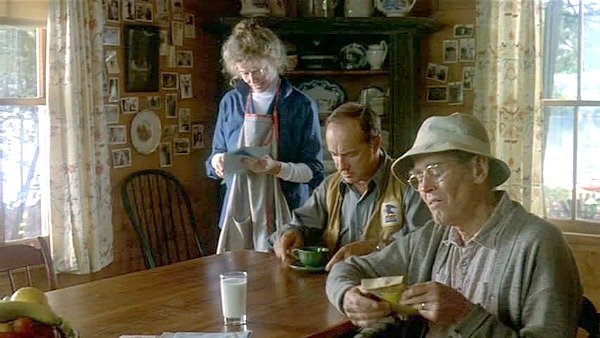
Still from the movie “On Golden Pond”
There is a statistic that stops me every time I read it.
Ninety percent of Americans say that talking to their aging parents about end-of-life wishes is important. Only 27 percent have actually done it. That number comes from The Conversation Project, a nonprofit devoted entirely to helping families have this conversation before a crisis forces it.
That is not apathy. That is love, dressed up as procrastination.
I know this because I have done it myself. My parents are in their 80s and live in Melbourne, Australia. I talk to them regularly. I know how they are feeling, what they had for dinner, which neighbor stopped by. What I have not done, not properly, is ask the harder questions. What do you want if things change? Where do you want to be? Who do you want making decisions if you can't?
I keep meaning to. I keep waiting for the right moment. There is always a reason not to: they seem fine, the call is going well, I don't want to introduce something heavy into a conversation that is going lightly. And underneath all of that is something I don't say out loud: naming what might happen feels like inviting it.
That, I have come to understand, is the trap.
A geriatric physician named Dr. David Bernstein, who has spent decades working with older adults and their families, put it plainly: most late-life crises are not medical emergencies. They are planning failures. Families wait for a fall, a diagnosis, a sudden hospitalization. And then they make decisions in the worst possible conditions, under pressure, with grief, without knowing what their parent actually wanted.
The difference between a planned transition and a crisis transition is enormous. In a planned one, your parent keeps control. In a crisis one, control is lost. For everyone.
The Conversation Project recommends thinking of this not as a single talk but as an ongoing series of smaller ones. One question at a time. One topic at a time. You do not need to sit your parent down with a checklist. You do not need to have every answer.
If you are looking for a place to start, here is the one question I think opens the door without slamming it:
If things were to change for you, what would matter most?
Not: what do you want us to do. Not: have you written a will. Just: what matters most to you. Let them answer. Listen without solving. That one question, asked genuinely, can tell you more about your parent's wishes than a stack of legal documents.
Two thirds of Americans do not have a living will or advance directive. That means most families are making it up as they go, under pressure, hoping they get it right. Most of them are getting it wrong, not from lack of love but from lack of a conversation that never happened.
The best time to start is when there is nothing to fix. When your parent is still themselves, still independent, still able to tell you what they want. That window is not infinite.
Start before you need to. Not because something is wrong. Because something matters.
