
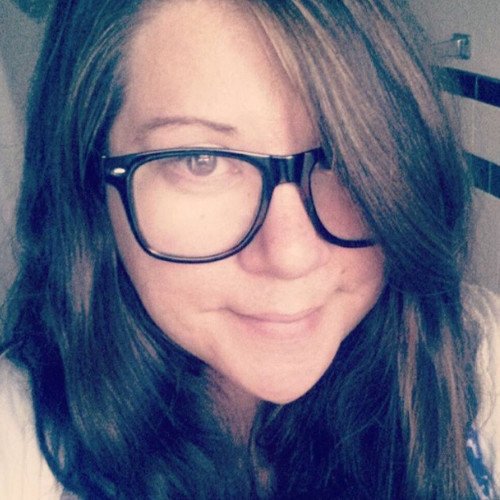
Kelly Briggs-Hayler, Founder, Death Doula New York
Most of us do not grow up learning how to talk about end of life. We learn how to plan weddings, graduations, and vacations. But when it comes to the conversations that matter most, many families find themselves improvising in the middle of stress, grief, and uncertainty.
I recently sat down with Kelly, a death doula and a dear friend of my sister in law. I went in curious and a little unsure of what to expect. I came out with a deep sense of relief and respect.
This conversation is not meant to feel heavy. It is meant to feel human. Kelly’s work is about support, dignity, and helping families find clarity so they can spend less time scrambling and more time being together.
First, what is a death doula
When I asked Kelly how she describes her work to someone who has never heard the term, she put it simply.
“We’re trained in this space to be a person of support. We’re not medically trained. We’re non medical support for families and people who are facing end of life.”
That support can take many forms.
“It can be anything from emotional support, to guidance on end of life planning, walking through what that process looks like, to being a caregiver and providing respite care during the end of life process itself. And then supporting the person and family after death. That can include funeral planning, body care, probate, and grief support.”
What struck me was how wide the scope is. A death doula is not there to replace medical care. They are there to help families navigate everything around the medical care. The questions. The decisions. The emotional whiplash. The logistics people avoid until they have to face them.
A concept I had never heard of: “death cleaning”
Kelly also introduced me to something I had never heard of but am familiar with because I’ve witnessed it personally: death cleaning.
She described it as the process of letting go of possessions that no longer serve you, and intentionally passing meaningful items on while you are still here.
“Essentially, it is getting rid of things in your life that don’t serve you or that you want to give to others. And what it’s doing is you’re removing things so that when you’re gone, your family or your loved ones and your friends don’t have as much to sort through.”
It is also surprisingly beautiful.
Kelly shared an example of a woman she supported, a young mom with stage four ovarian cancer.
“She had a four year old daughter. She had couture dresses from when she was in the fashion world, and she wanted her daughter to enjoy them someday. She boxed them all up and wrote a note about where she got each dress and what that time in her life meant.”
That detail stuck with me. Not because it was sad, but because it was love in a tangible form. It was a mother saying, I cannot control everything, but I can make this part gentler for you.
Kelly also pointed out the practical side. Many older adults recognize they do not want their children spending weeks sorting through a house full of things.
“They shouldn’t have to sit and sift through and figure out what to do with the pot holders and things like that.”
Death cleaning can happen over months or years, or not at all. The point is not perfection. The point is intention.
What families worry about most
I asked Kelly what families tend to worry about when someone is nearing the end.
She said it depends on who you are talking to.
“For the person dying, their concern is, what is the act of dying like. Does it hurt. Does it take a long time. Once they get over that hurdle, it becomes worry about making sure there are no loose ends. Is there anything I forgot to do, to say, to address.”
For families, Kelly sees a different kind of stress.
“The biggest thing is the lack of instruction. It’s the not knowing. How do we make sure we’re honoring or making decisions for this person as they would want, and without an instruction manual, I’m guessing in the dark.”
That phrase “guessing in the dark” captured it. Many families are trying their best, but they are doing it while exhausted and under pressure.
Kelly also named something that is very real in family dynamics.
“It’s hard to navigate because some people are comfortable talking about this and some people are very adamantly not. So how do you address important things when you’ve got people in different places around it.”
Who is the doula really there for
Another part I appreciated was how clear Kelly was about her role.
“My dedication is always to the person passing. My role is to ensure that as much as possible we can give them a good death. And that definition of a good death is your own personal definition.”
And while she supports the family and community, she sees herself as an advocate first.
“If someone in the circle is having a hard time or being disruptive, my job is to put that person aside and say, how can I help you with this, so we can all support this person.”
In other words, she helps the family function as a team, while keeping the focus where it belongs.
What families often discover they actually need
Kelly shared two practical insights that surprised me.
First, funeral planning is far more flexible than most people realize.
“People don’t realize that funeral planning, you can make this whatever you want. It does not have to look like what your grandma or your aunt has gone through. Your options are vast.”
Second, in the moment after death, there is often more time than people think.
“I think there’s panic that if someone passes you have to hurry up and call someone. No. You have time. You can take a beat. You can have quiet moments. You have space.”
That single point alone should calm many of us as we think about how to engage friends, distant relatives, and acquaintances after a loved one passes.
Advanced directives: the most underrated gift
Kelly was passionate about advanced directives, and I understood why.
“It’s an amazing tool for everyone. You can designate advocates that speak on your behalf for your medical wants and needs when you are no longer able to advocate for yourself.”
She described it as an instruction manual for the people who love you.
“I always say to people, think about the fact that the person making those decisions is in a highly stressful moment. If you’ve written down what you would want, you’re giving people relief. They know, this is what she wanted.”
What I appreciated most is that she went beyond the obvious checkboxes and talked about identity and dignity.
“You are still you, even if you’re not here. We need to honor you through that process.”
She also asked questions that many people never think to ask, like whether there are people you do not want involved, or what comforts you would want around you if you were in a hospital and unable to communicate.
The conversation families avoid most: estate planning
When I asked what families often wish they had talked about earlier, Kelly did not hesitate.
“Estate planning. It will fracture a family. I’ve seen it time and time again.”
She was not being dramatic. She was being honest.
“Grief is a very intense emotion. It triggers all kinds of stuff in people. If things have been written down and finalized, it saves a lot of grief.”
She emphasized that this is not about wealth.
“It doesn’t matter if you have ten dollars or ten million. Write something down.”
The quiet crisis: caregiver exhaustion
This is where the conversation hit closest to home.
When I asked what caregivers need most but ask for the least, Kelly said one word.
“Rest.”
Then she elaborated in a way I will not forget.
“If you’re tired, you can’t focus. Then you start not feeding yourself well and not drinking water and not taking your medicine. You’re tearing down yourself while you’re giving everything to someone else.”
Kelly shared a story about providing overnight support so a caregiver could sleep.
“She hadn’t slept in days. I’d get there in the evening, make sure she had dinner, get him settled, and I’d say, go take a nap. He’s sleeping. I’m awake. I was there until morning so she could rest.”
She called this her favorite part of her work.
“Being invited into someone’s space to care for them in that moment is such an honor. It’s intimate. I can help hold your hand, make you comfortable, and give the caregiver some rest.”
If you are a caregiver reading this, please hear this: needing rest is not a weakness. It is a requirement.
Presence over perfection: say what you need to say
We ended with something simple, but profound. The worry so many people carry is that they will not say the right thing. Or they will wait too long.
Kelly’s advice was gentle.
“Take the opportunities to say the things you feel like you need to say. And if you can’t say them out loud, write them down.”
She suggested naming the difficulty with honesty.
“You can say, this was not easy for me to write. I want to share this with you when you’re ready to receive it.”
She also named what she sees most often when people look back.
“The biggest thing people have is regret of not being able to communicate and say what you want to say to someone. Mostly it’s the personal relationships.”
Some people describe experiences at the end of life that are hard to explain and deeply comforting. Whether you interpret that spiritually or biologically, Kelly sees it as part of the process of letting go and finding peace.
One small step you can take this week
If this topic makes you want to shut your laptop and walk away, you are not alone. Most of us avoid it until we cannot.
But there is a small step that does not have to feel heavy.
Pick one of these:
Start an advanced directive, even if it is basic
Ask a loved one who they would want making decisions if they could not speak
Write down three wishes: medical, personal, and practical
Choose one drawer or one closet to begin decluttering with intention
These are not morbid tasks. They are acts of care.
They reduce stress, prevent confusion, and give families the chance to be present with each other when presence matters most.
I’m grateful to Kelly for sharing her experience and wisdom, and for the work she does supporting families through some of life’s hardest transitions.
For those interested in learning more about her work:
👉https://deathdoulanewyork.com/