
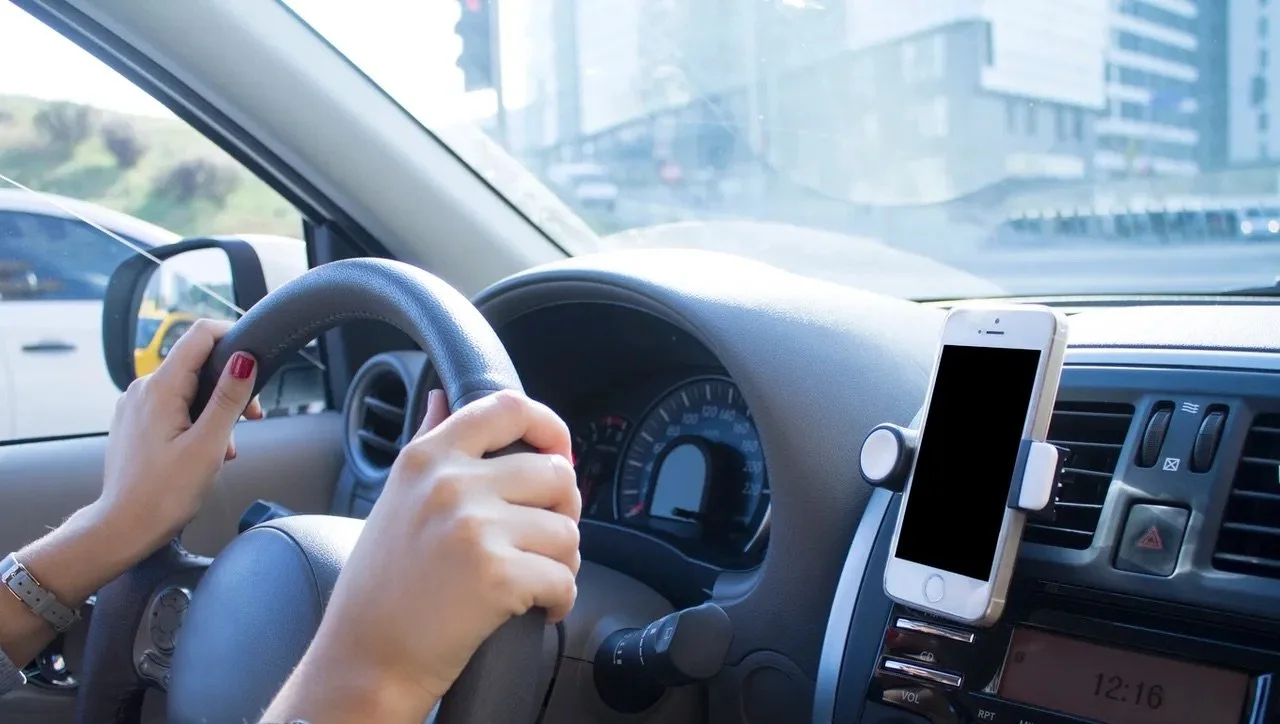
On my daily drive to barre class, I use Siri to call or text my mom — a small ritual that keeps us connected.
I can’t imagine my day without Alexa, Siri, or my smartwatch. They’ve quietly become my caregiving co-pilots — not through fancy AI or complicated setups, but through small, everyday nudges that keep me organized, on time, and connected to the people who matter most.
This isn’t a sponsored post or a tech tutorial. It’s simply how I’ve built a smart home ecosystem that supports both my life as a working mom and caregiver — and why I believe every caregiver should think beyond just apps on their phone and look at how technology can work around them.
It Starts with Voice: Alexa as My Daily Anchor
I have Alexa devices in the two rooms where I spend most of my time: the kitchen and my home office. Throughout the day, Alexa acts like a calm, infinitely patient assistant. I’ll say:
“Alexa, remind me to get ready for my call at 12:45.”
“Alexa, set an alarm for 3:15 to pick up my daughter.”
“Alexa, add olive oil to the grocery list.”
She’s my timekeeper, mental load reducer, and sometimes, my gentle nudge to step away from the laptop and eat something. When I worked in NYC, my daughter used to leave me voice messages on Alexa that would play at 6 p.m. every day:
“Go home, Mama.”
It was my cue to pack up, catch the train, and be present at home. I eventually moved out of the city, but I kept that ritual. My smart home didn’t just help me manage logistics — it anchored me emotionally, too.
For many caregivers, Alexa can play the same role for their loved ones. Voice-activated reminders for medications, routines, or safety check-ins can keep someone independent and give you peace of mind.
Learn more: AARP Smart Home Tech for Aging in Place
Siri and My Phone: My On-the-Go Lifeline
When I’m away from home — working at a shared workspace or tucked into a corner of a coffee shop — Siri on my phone becomes my stand-in.
I’m notorious for getting deeply immersed in writing emails or prepping presentations. More than once, I’ve looked up and realized I was late for a school pickup, a meeting, and more than once, to board a plane. Now I just say:
“Hey Siri, remind me to leave at 2:45.”
No scrolling through calendars. No mental math. Just quick, hands-free reminders that keep me on track while my brain is elsewhere.
And then there’s my barre class ritual. Every day, as I’m driving to class, I say:
“Hey Siri, call Mom.”
It’s my little check-in window. And on the days I don’t have time to talk, it’s:
“Hey Siri, text Mom.”
She’ll reply, “What do you want to say?” — and I’ve become so used to dictating texts that I catch myself saying things like “period” and “exclamation point” out loud in real life. I’m convinced one day I’ll accidentally say “new paragraph” mid-conversation.
For many caregivers, Siri becomes less of a gadget and more of a bridge — the tool that keeps you connected to your loved ones even during the busiest moments.
My Apple Watch: Wallet, Lifeline, Reminder Hub
My Apple Watch might be my most essential caregiving tech.
• It’s my wallet when I’m running errands.
• I never miss a call from my mom, even if my phone’s in another room.
• It taps my wrist with reminders — no loud alarms, no distractions — just a quiet nudge to get moving, show up, or check in.
There’s something powerful about technology that lives with you, not buried in an app folder. The watch has become my stealth caregiving assistant — always on me, always connected.
For aging loved ones, smartwatches (including Apple Watch’s fall detection feature) can provide subtle safety nets and easy ways to reach family without needing to fumble with phones.
Learn more: Apple Watch Fall Detection
Building a Smart Home Mindset for Caregiving
Most caregivers I talk to start by downloading apps — and that’s a great start. But where I’ve found the most sustainable, stress-reducing value is in weaving technology into my environment.
Here’s how I think about the different layers of my caregiving tech setup:
Voice & Home: Tools like Alexa or Google Home act as my “in-house assistant.” They remind me of appointments, structure daily routines, and even support my mom remotely through voice prompts and reminders.
Mobile: Siri and location-based reminders keep me on track when I’m out and about. Whether I’m working in a coffee shop or driving to barre class, I rely on quick voice commands to keep everything running smoothly.
Wearables: My Apple Watch ties everything together. It gives me seamless notifications, gentle reminders, and safety features — all from my wrist — so I never miss a call from my mom or forget a key task.
Apps & Coordination: This is where the “hub” lives. Apps like CuroNow, Medisafe, or TeamViewer help centralize caregiving information, reminders, and communication between family members.
The magic happens when these layers work together quietly and reliably — like a digital safety net under your daily life.
I Haven’t Even Scratched the Surface
What’s funny is, even with all these daily habits, I know I’ve barely scratched the surface of what my iPhone and Apple Watch can do for me — and for my caregiving life.
There are entire sections of the Health app I haven’t fully explored yet — from sleep tracking to mindfulness reminders, heart health alerts, and shortcuts that could automate routines for both me and my mom.
Some of these tools support me directly — like nudging me to stand, breathe, or take my medications — and others are ways I’ve started to build parallel habits with my mom. For example, when I log my medications, it’s often a reminder to check in with her about hers. When I close my rings, it reminds me to ask her how many steps she got on her daily walk.
But I also know that as useful as these tools are, there isn’t one simple place where my mom and I can both keep track of everything easily. That’s part of why we’re building CuroNow — a one-stop caregiving hub that makes it simpler for families to stay organized, connected, and supported.
Your Turn
Thanks for reading. I’d love to hear how you’re using smart home tools or caregiving tech in your daily life — what’s working, what’s missing, and what you wish existed. These are exactly the kinds of conversations shaping what we’re building at CuroNow.
💬 Share your thoughts with me here or connect with me on LinkedIn.
Looking forward to hearing from you,
Pat,
Co-Founder, CuroNow
Supporting Caregivers. Strengthening Connections.