
What Does It Really Feel Like to Be a First-Time Entrepreneur?
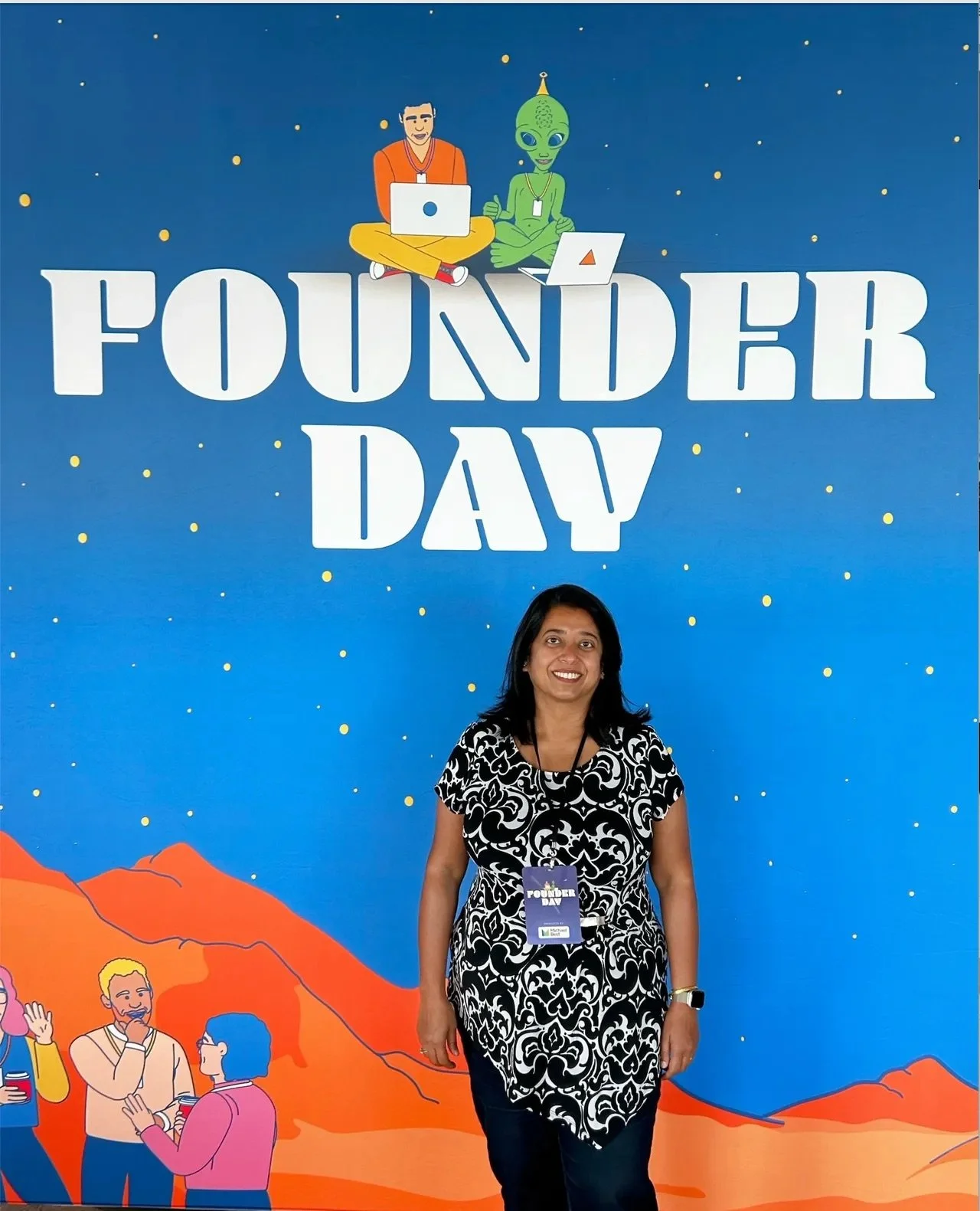
I'm 50 years old, female, an immigrant, building a tech startup while not being a technologist. And while living in Madison, WI, a small-ish town in the Midwest.
On paper, the odds aren't exactly stacked in my favor. But here I am anyway, building a mobile app to help adult children care for their aging loved ones. Not because I have it all figured out, but because the problem demands a solution and I refuse to look away.
The Courage to Start When the Deck Feels Stacked
Let me be honest about what this first-time entrepreneur journey really requires. It starts with courage—the kind that lets you put yourself out there knowing people will readily share whether they think you'll make it or not, whether your product is good enough, whether they'll buy it, whether they'll invest in you.
Every pitch, every demo, every conversation is an invitation for judgment. And when you don't fit the Silicon Valley stereotype (dare I say it? young, male, tech-native), you feel that scrutiny even more keenly.
But here's what I've learned: a 50-year-old startup founder is more than twice as likely to build a successful company as a 30-year-old. The data backs up what experience whispers - that the decades I spent building teams, problem-solving, and working in both big and small organizations aren't liabilities. They're assets.
What's Going For Me (And What's Not)
What's working in my favor: I'm relatively smart. I'm a problem solver who knows how to execute and build teams. I have experience from some of the best organizations out there. And I'm in the United States - an entrepreneur-friendly, startup-loving capitalist country that still believes in the possibility of building something from nothing.
Nearly 45 percent of immigrant business owners are women, and immigrants and their children founded 46% of Fortune 500 companies despite representing only 27% of the population. I'm part of a powerful tradition, even if it sometimes feels invisible.
What's not going for me: I'm navigating this without generational wealth - the kind that gives you a safety net for bold bets. I'm learning everything for the first time at an age when many people are thinking about retirement, not disruption. And that fear of sales? It's real and persistent.
But I have something invaluable: my husband's stable job and health benefits give me the financial support to spend this time building, testing, and iterating without the immediate pressure of making payroll or keeping benefits. Yes, I'm very aware of this privilege!
Resilience: Not Walking Away from Rejection
Here's what no one tells you: rejection is the daily soundtrack of entrepreneurship. People will say no. Investors will pass. Potential customers won't see the value you see so clearly. And you have to keep going anyway.
Resilience isn't about being impervious to rejection - it's about not walking (or running) away from it. It's about treating each "no" as data, not destiny. It's about showing up to the next pitch, the next demo, the next conversation with the same conviction, refined by what you've learned.
This is critical to success in this journey. You can't take rejection personally and you can't let it stop you. You have to believe in the problem you're solving more than you fear the people who don't see it yet.
The Power of Community
I couldn't do this alone. No one can. And one of my biggest learnings on this path has been how important community is for me - to have fun, to do amazing work, and to be generally positive and productive.
Until this journey, I didn't fully understand this about myself. At home, at school, at work, I always had an inbuilt community to slide into and become a part of. But entrepreneurship can be lonely, and I quickly learned that isolation doesn't work for me.
About three months ago, Pat Setji joined me as co-founder, and everything changed. She brings the yin to my yang - strengths and perspectives that complement mine in ways that make this journey not just possible, but genuinely fun. The loneliness I felt in those early solo months has been replaced by partnership.
Students, ex-colleagues, and friends have volunteered their engineering, design, and marketing skills because they believe in our mission to make caregiving easier and families more connected. Together, we went from idea to launched app in just 10 months. That's the power of a team!
Our families have cheered us on, given us the time and space to obsess over features and user flows, tried the app themselves, and offered honest feedback that's made it better. This belief in what we're building gives me the emotional fuel to keep going.
Our advisers and mentors - tech experts, startup ecosystem veterans, and eldercare specialists - keep us grounded in both the technical realities and the human needs we're serving.
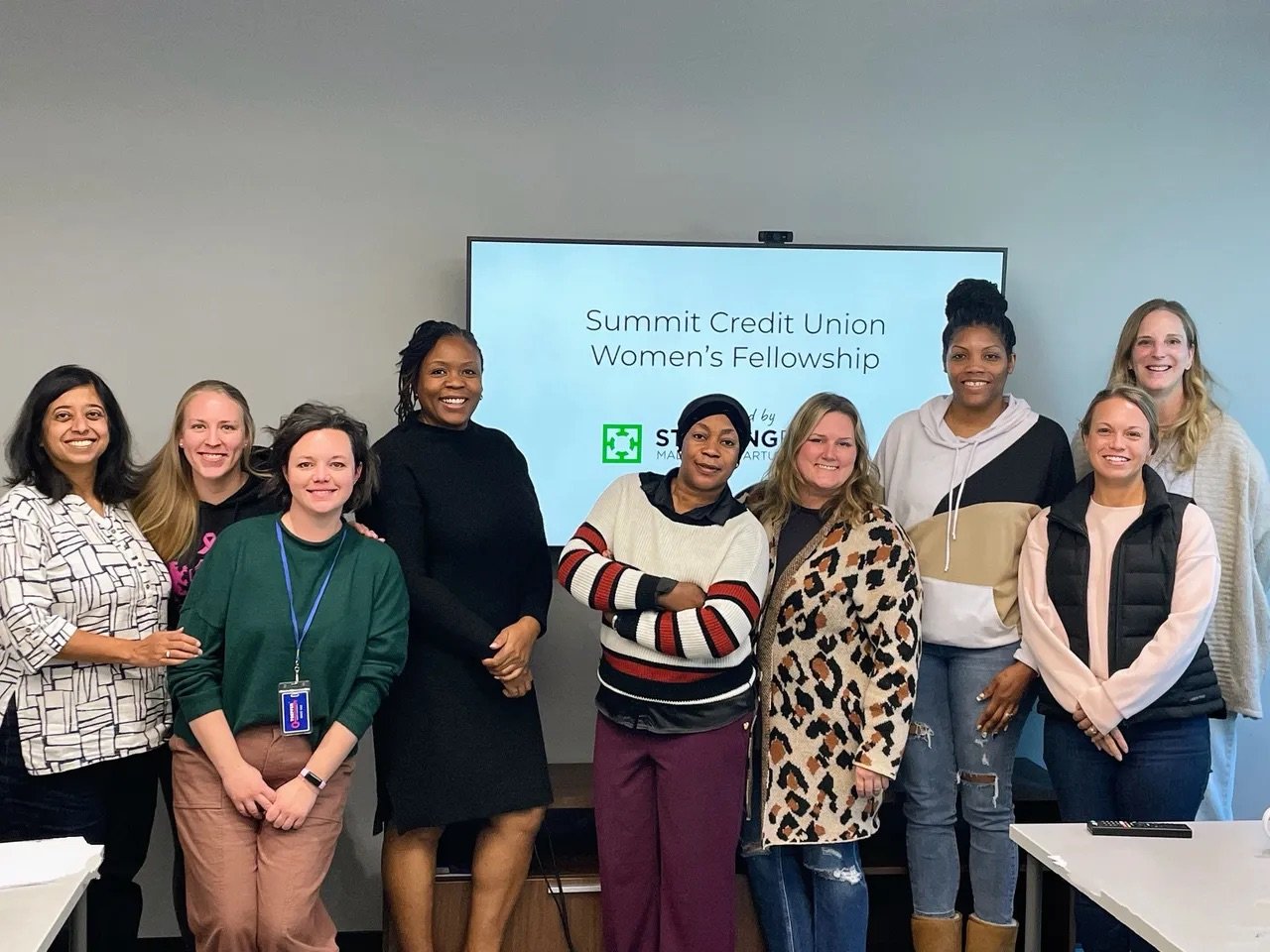
This year, I've been part of Summit Credit Union and Starting Block's Women's Entrepreneurship fellowship program, learning from mentors and fellow founders who understand this journey.
[See image - I'm grateful to tag all these incredible women and their businesses, even the ones who joined us 'in spirit' today!
Now we've been accepted into the Creative Destruction Lab program for 2025 - a validation that maybe we're on the right track.
Last summer, I organized a panel on diverse eldercare services at Wisconsin's Forward Fest. I just pitched at the Wisconsin Tech Council's Early Stage Symposium to 150-200 investors and entrepreneurs this week.
Each opportunity is accelerating my learning exponentially.
Why We're Doing This
My definition of success isn't revenue or profit, though those matter for sustainability. My definition of success is making caregiving easier and less stressful for families, and consequently helping families feel more connected through this journey.
When I watch my peers navigate the complexities of supporting aging parents - the medical appointments, the financial decisions, the emotional weight of role reversal - I see a gap that technology can bridge. Not to replace the human connection, but to support it. To give families back time and mental space for what matters: being present with the people they love.
An Invitation
If you're an adult child or grandchild caring for or worried about an aging loved one, we're building this for you. Download our app and see if it makes your life even a little bit easier. And if you know someone navigating this journey, please share it with them.
This first-time entrepreneur path is teaching me that courage isn't the absence of fear - it's moving forward with the fear as a companion. It's believing that your unique perspective, your accumulated experience, your burning commitment to solving a problem can matter more than fitting a stereotype.
The odds may not look perfect on paper. But I'm learning they never do, for anyone. What matters is showing up anyway.
Rukmini
Co-Founder, CuroNow
Supporting Caregivers. Strengthening Connections.
